


13 Mar Proposed CMS 2027 Marketplace Insurance Rule Could Weaken Patient Protections
March 13, 2026 ~ The federal government has proposed new rules that would change how Marketplace health insurance plans work beginning in 2027. Several of these proposals could make it harder for people with serious illnesses, including cancer, to understand their coverage and manage the cost of care.
Triage Cancer recently submitted comments to the Centers for Medicare & Medicaid Services (CMS) outlining concerns with the proposed rule.
While the Affordable Care Act (ACA) created important consumer protections in the individual insurance market, some of the proposed changes could weaken those protections and create new barriers for patients and families trying to maintain coverage during a serious illness.
Plans Could Become Harder to Compare
One proposal would eliminate standardized plan options (e.g., Bronze, Silver, Gold, Platinum) in the Marketplace.
Standardized plans help consumers compare coverage by using consistent deductibles, copays, and cost-sharing structures. When plans follow similar formats, people can more easily understand how much they might pay for care.
Without standardized options, insurers could offer many different plan designs with varying cost structures. For individuals managing a serious or chronic health condition, this could make it significantly harder to predict out-of-pocket costs.
Potential Changes to Provider Networks
The proposed rule would also reduce requirements that Marketplace plans contract with Essential Community Providers, such as Federally Qualified Health Centers and safety-net hospitals.
These providers often serve communities that already face barriers to accessing care. Reducing network requirements could make it harder for some patients to find providers and receive treatment close to home.
Another proposal would allow certain non-network plans to qualify as Marketplace plans. Unlike traditional plans, these may not have negotiated provider rates, which could expose patients to unpredictable medical bills if providers charge more than the plan covers.
For individuals undergoing ongoing treatment, such as cancer care, that uncertainty can create significant financial risk.
Higher Out-of-Pocket Costs in Some Plans
The rule would also allow some bronze and catastrophic plans to have higher deductibles and out-of-pocket costs.
These plans often have lower monthly premiums, but they provide limited coverage until the deductible is met. Under the proposal, catastrophic plans could require individuals to pay more than $15,000 out-of-pocket before the plan begins covering most services.
For many households, costs like this would be difficult to absorb if someone becomes seriously ill.
Additional Enrollment Barriers
The proposed rule also includes several administrative changes that could make it harder for some individuals to enroll in coverage or maintain it. These include stricter verification requirements and eliminating certain year-round enrollment opportunities for people with lower incomes.
For individuals who lose coverage because of job changes, income changes, or other life events that would give them a special enrollment period to purchase a new plan, additional administrative barriers could delay coverage and create gaps in care.
Why This Matters
Health insurance coverage plays a critical role in helping people access care and avoid financial hardship after a serious diagnosis.
Over the past decade, the ACA improved protections for patients by prohibiting exclusions for preexisting conditions, creating enrollment pathways, and setting limits on out-of-pocket costs. Policies that reduce plan transparency, increase financial risk, or create enrollment barriers could undermine those protections.
Take Action Today
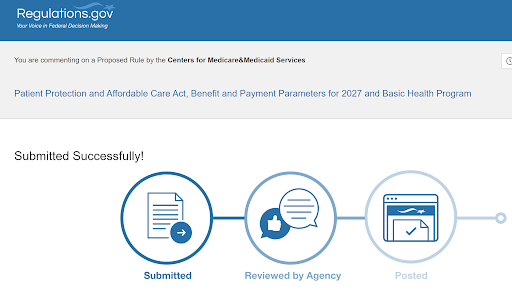
Today, March 13, 2026, is the deadline to submit public comments on this proposed rule.
You can:
Even after the comment period closes, you can continue to make your voice heard by contacting your elected officials and urging them to support policies that maintain strong consumer protections in the health insurance marketplace. You can find more information on how to engage in policy and legislative advocacy on our Advocacy Resource Hub.
Federal agencies rely on public comments to understand how proposed policies may affect individuals coping with serious illnesses and families in real-world situations. Access to clear, affordable health coverage is essential for all Americans, and policies that affect that access deserve careful attention and public input.
About Triage Cancer
Triage Cancer is a national, nonprofit providing free education to people diagnosed with cancer, caregivers, and health care professionals on cancer-related legal and practical issues. Through events, materials, and resources, Triage Cancer is dedicated to helping people move beyond diagnosis.
We’re glad you find this resource helpful! Please feel free to share it with your communities or to post a link on your organization’s website. However, this content may not be reproduced, in whole or in part, without the express permission of Triage Cancer. Please email us at info@TriageCancer.org to request permission. © 2026 Triage Cancer